-
Best BITs: Would you rather…
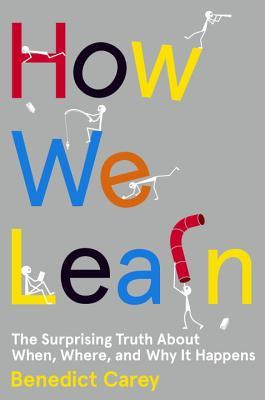
#BIT16Reads asks participants in the How We Learn by Benedict Carey book club: Would you say that you’d rather be a grade 9 student in the year 2016 or would you rather be a grade 9 student in the year that you were actually in grade 9….and why? Here are some of the more interesting…
-
Best BITs: The role of the teacher
In secondary school we often see teachers as subject specialists. In elementary school we see teachers as generalists but facilitating many activities that cross subject boundaries. Authors Garfield Gini-Newman and Roland Case outline 3 contrasting foundational beliefs about teaching and learning, and the role of the teacher is listed in the discovery, didactic and thinking…

-
Best BITs: The purpose of schooling
Authors Garfield Gini-Newman and Roland Case don’t go easy on the reader in the first chapter so I think it’s important to ease into the critical thinking with a bit of philosophy. I have often been criticized for being quick to jump at anything shiny and new in education so I found Chapter 1 to…
-
Best BITs: Unleashing talent in your school
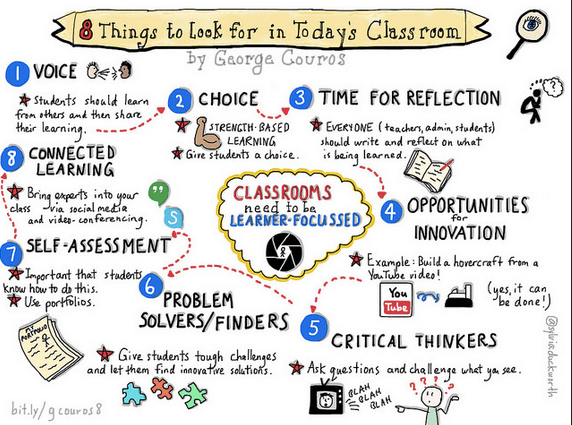
George Couros’s book is immensely read-able…his writer’s voice is intensely genuine and although there are big ideas that he presents, the reader never feels overwhelmed with jargon. So in a nutshell, George does quick recap of the first two parts of the book: Innovation is creating something better…the key to doing that is developing relationships. …
-
Best BITs: Culture of Fear
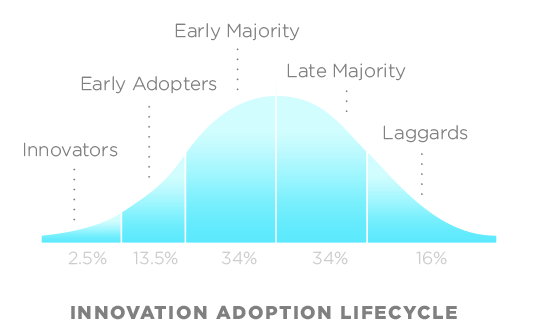
On July 1, Michael McLenaghan wrote: I really enjoy the metaphor George uses about how we approach technology in our schools. If we only focus on digital safety and cyber bullying, then this only creates a culture of fear – much like a focus on preventing stabbing if we use pencils! I’m an early adopter…
-
Best BITs: Struggling with technology and youth culture
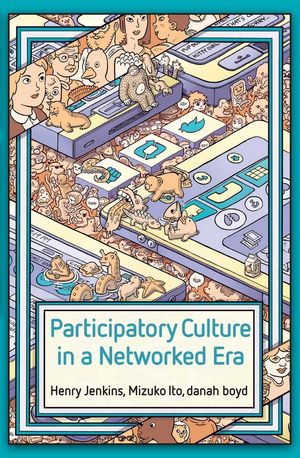
Author and researcher danah boyd says “By positioning youth as “other,” adults fail to recognize or appreciate the ways in which youth use technology to connect with others, learn, and participate in public life” (p. 42) Later she talks about how this generational posturing that we do (well, back in my day…) just adds to…
-
Subscribe
Subscribed
Already have a WordPress.com account? Log in now.
 threadbare beauty